


















































































































































Walk into any beauty store today, and it is easy to feel overwhelmed. Cleansers, toners, serums, essences, moisturizers, sunscreens, and treatments—there seems to be a product for everything. Naturally, one of the first questions that comes to mind is, "What do I actually need, and what should I use first?"
The truth is that an effective skincare routine does not have to involve a long list of products. A good routine begins with understanding your skin type, identifying your main concerns and building the basics first.
Start With a Cleanser
Cleansing is the first step of any skincare routine. A gentle cleanser helps remove dirt, excess oil, sunscreen, and other impurities that build up on the skin throughout the day.
The key word here is gentle. A cleanser should leave the skin clean without making it feel excessively tight, dry, or uncomfortable. Using an overly harsh cleanser can interfere with the skin's natural barrier, particularly for those with sensitive or dry skin.
Moisturizer Is Not Just for Dry Skin
One of the most common skincare misconceptions is that oily skin does not need moisturizer. In reality, hydration remains important regardless of skin type.
What changes is the texture of the moisturizer. Those with oily or combination skin may prefer lightweight gel or gel-cream formulas, while dry skin may benefit from richer, more nourishing textures.
The goal is not to make the skin feel heavy. It is to maintain a comfortable level of hydration and support the skin barrier.
Never Underestimate Sunscreen
If there is one step that deserves a permanent place in a morning skincare routine, it is sunscreen.
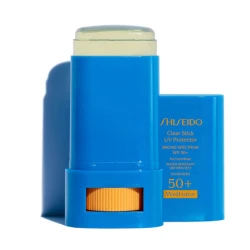
A broad-spectrum sunscreen helps protect the skin from UV exposure and should be applied as the final step of your morning skincare routine. When spending extended periods outdoors, reapplication is also important.
Even the most carefully planned skincare routine can fall short if sun protection is consistently overlooked.
Do You Really Need a Serum?
Not necessarily.
Serums are best viewed as targeted additions rather than compulsory steps. They can be introduced when you have a particular concern you want to address, such as dark spots, uneven-looking skin tone, dehydration, excess oil, or acne-prone skin.
The important part is choosing ingredients according to your skin's needs rather than adding products simply because they are trending.
For beginners, introducing one new active product at a time is generally a more sensible approach than starting several treatments simultaneously.
Keep the Routine Simple
More products do not automatically mean better skin. In fact, introducing too many products or active ingredients at once can make it difficult to understand what is actually working—and may increase the possibility of irritation.
A simple starting routine can be as straightforward as
Cleanser → Moisturizer → Sunscreen
Once these basics are established, targeted products can be introduced according to individual skin concerns.
Skincare is not an overnight transformation. Healthy-looking skin is usually the result of consistency, appropriate product choices, and patience.
At Beauty Maven, we believe skincare should be informed without being complicated. Understanding what your skin needs—and why you are using each product—is often a much better place to start than simply adding more products to your shelf.